Texas Windstorm Insurance
Wind and hail options for homes along the Texas coast
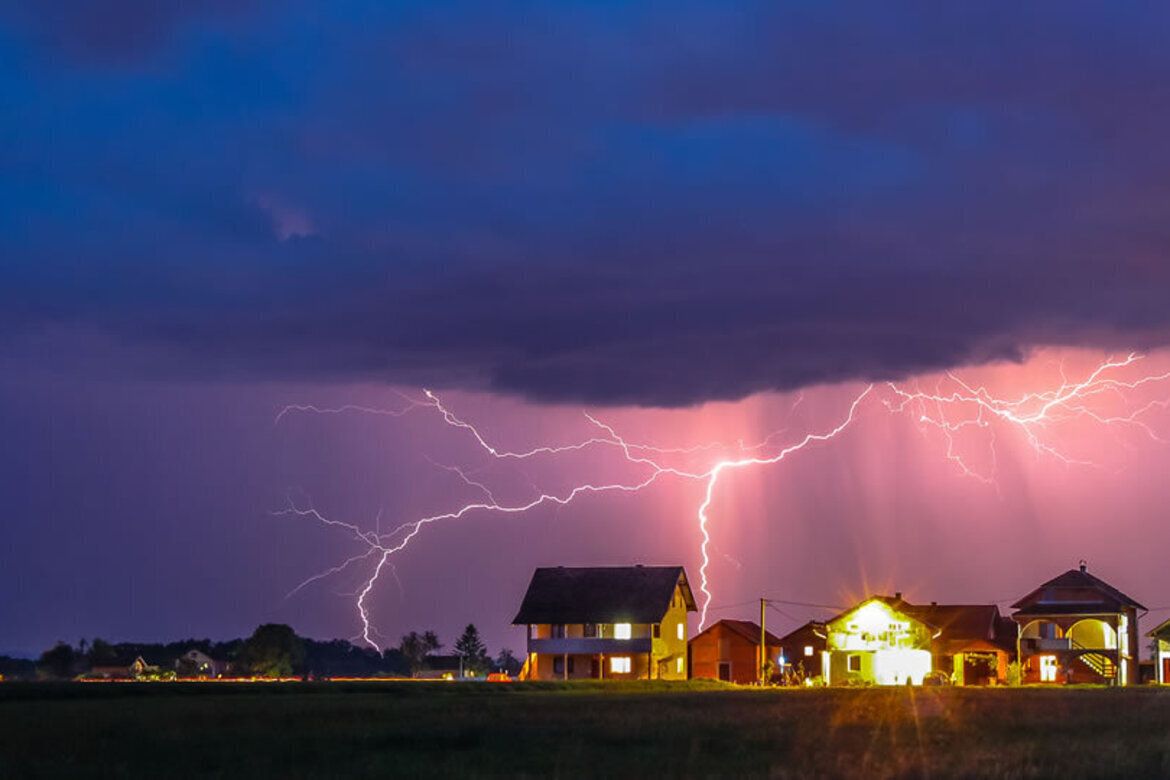

Wind and hail coverage matters along the Texas coast, from the upper coast to South Texas. We help homeowners review private windstorm insurance and, when eligible, coverage through the Texas Windstorm Insurance Association (TWIA). The right path depends on your property, location, and available market options.
We start by reviewing available private-market options. TWIA is generally for eligible properties that cannot obtain windstorm and hail coverage from the private market. TWIA has its own eligibility requirements, including an applicable private-market declination and property certification requirements. We can help you understand what information is needed for your quote.
TWIA serves the 14 first-tier coastal counties (Aransas, Brazoria, Calhoun, Cameron, Chambers, Galveston, Jefferson, Kenedy, Kleberg, Matagorda, Nueces, Refugio, San Patricio, and Willacy) and parts of Harris County east of Highway 146. See TWIA coverage and eligibility for current requirements.
TWIA covers windstorm and hail losses to covered property. It does not cover flood damage, fire, or theft. A separate homeowners and flood policy may be needed for broader protection. We can discuss those options while you compare windstorm coverage.
Find windstorm insurance information for your city:
Ready to compare? Request a Texas windstorm quote and tell us where your coastal property is located.
Texas windstorm insurance covers damage to your home and belongings caused by wind and hail, including hurricane-force winds. Along the coast, many homeowners policies exclude wind and hail, so coastal homeowners often buy a separate windstorm policy from a private insurer or from the Texas Windstorm Insurance Association (TWIA).
TWIA covers properties in the 14 first-tier coastal counties (Aransas, Brazoria, Calhoun, Cameron, Chambers, Galveston, Jefferson, Kenedy, Kleberg, Matagorda, Nueces, Refugio, San Patricio, and Willacy) and parts of Harris County east of Highway 146. You generally need a declination from at least one private insurer, a qualifying windstorm certificate of compliance, and a home in good repair. See TWIA coverage and eligibility for full details.
No. Windstorm insurance does not cover rising water from flooding or storm surge. You need a separate flood policy, and a National Flood Insurance Program policy usually has a 30-day waiting period. TWIA also requires proof of flood insurance for certain properties in V flood zones that were built, altered, remodeled, or enlarged on or after September 1, 2009.
A WPI-8 or WPI-8-E is a certificate of compliance issued by the Texas Department of Insurance showing that construction, such as a new home, addition, or roof replacement, meets the windstorm building code. TWIA issued WPI-8-C certificates for construction completed between January 2017 and May 2020. You can look up certificates through the TDI windstorm inspection program. Read our full WPI-8 certificate guide.
It depends on your policy. Many homeowners policies in coastal Texas counties exclude wind and hail, which leaves your roof, windows, and structure unprotected during a hurricane. Check your declarations page for a wind and hail exclusion, or send it to us and we will review it for you.
Your premium depends on your property's location, construction, roof age and type, coverage amount, and deductible. Many coastal policies use a percentage wind and hail deductible, such as 1% or 2% of your dwelling coverage. We compare private carriers and TWIA to find the best balance of price and protection for your home. Request a windstorm quote to see your options.
Yes, and you should. Windstorm coverage can be one of the biggest costs of owning a coastal home, so it is smart to get a quote while you are still deciding on a property or as soon as you are under contract. Ask the seller for the home's windstorm certificates (WPI-8, WPI-8-E, or WPI-8-C), especially if the home was built, added on to, or re-roofed since 1988. A missing certificate can limit your options, and it is much easier to solve before closing.
Often the same day. You can speed things up by sending the property address, year built, square footage, roof type and age, any windstorm certificate, and your current declarations page if you have one. Some quotes take longer, for example when a carrier needs an inspection or when TWIA needs a declination from a private insurer first. Start your windstorm quote.
Your lender will usually require proof of wind and hail coverage, such as a binder or declarations page, before closing. The first year's premium is typically paid at or before closing or set up through escrow. Insurers, including TWIA, can suspend new policies when a tropical storm or hurricane threatens the coast, so do not wait until closing week to bind coverage. If you also need flood insurance, a National Flood Insurance Program policy bought in connection with a new mortgage can usually start at closing without the normal 30-day wait.
Common reasons include approved rate increases, higher rebuilding costs that raise your dwelling coverage amount, higher reinsurance costs for coastal insurers, an aging roof, recent claims, or losing a discount. If a private carrier stops writing in your area, moving to another carrier or to TWIA can also change your price. We can review your renewal and compare it against other available options.
Coastal wind and hail deductibles are often a percentage of your dwelling coverage, such as 1%, 2%, or 5%. A higher deductible lowers your premium but means you pay more after a storm. On a $300,000 home, a 1% deductible is $3,000 and a 5% deductible is $15,000. Choose an amount you could comfortably pay from savings, and check whether your lender limits how high your deductible can be.
We shop multiple private carriers and compare them with TWIA to find the best price for your coverage. Other ways to lower your cost include adjusting your deductible, keeping your windstorm certificates current, and adding wind-resistant features like an impact-resistant roof, storm shutters, or reinforced garage doors, which some carriers reward with discounts. Combining your home and wind coverage with one carrier can also save money when it is available.
TWIA is the Texas Windstorm Insurance Association, created by the Texas Legislature to provide wind and hail coverage in coastal areas when private insurers will not. To qualify, you generally need a declination from a private insurer. Private windstorm coverage may be sold as a separate policy or included in a full homeowners policy, and it can have different limits, deductibles, and discounts. We compare both so you can choose the best fit.
Yes. Wind and hail damage to your roof is one of the most common windstorm claims, along with broken windows and damage from wind-driven debris. Coverage for older roofs may be limited to actual cash value instead of replacement cost depending on the policy, so ask how your policy handles roof claims before you buy.
Start your quote online or contact our office to find out how we can help you find a policy that fits your needs.